There is one reality.
Within that reality are two realms: the seen and the unseen.
Across those realms, two kingdoms are at work: the kingdom of light and the kingdom of darkness.
That conviction lies at the heart of Entangled Kingdoms. But the podcast didn’t begin with a desire to catalogue supernatural beings or construct a detailed map of the unseen world. It began with questions that became deeply personal.
Around 2014, I found myself wrestling with Paul’s description of his “thorn in the flesh” in 2 Corinthians 12. Paul calls it “a messenger of Satan” sent to harass him. Christians have long disagreed about the precise nature of that thorn, and I don’t claim to have solved the question. What caught my attention was the way Paul spoke about physical suffering, spiritual opposition, prayer, and the sustaining grace of God all within the same passage.
For me, Paul’s words pressed into a lifetime of unresolved questions.
I have lived with serious skin and health problems throughout my life. Because of that history, questions about suffering, affliction, Satan, demons, and the limits of spiritual influence have always carried a bit of personal weight. I wanted to understand what Scripture actually teaches—not simply what popular Christian culture assumes it teaches—about the relationship between bodily suffering and the unseen realm.
Those questions eventually led me to the work of Dr. Michael Heiser. Beginning to read Heiser in 2014 opened portions of the biblical world that I had rarely heard discussed in church. His work prompted me to look with new eyes at passages involving the divine council, the sons of God, the nations, rebellious spiritual powers, and the supernatural assumptions shared by the biblical writers. Heiser argued that a theology of the unseen world informs every Bible doctrine in significant ways. That claim helped me realize that these subjects couldn’t (shouldn't?) simply be confined to a handful of strange passages.
It didn’t answer every question. But in many ways, it gave me better questions.
That journey eventually became Entangled Kingdoms.
The name reflects the difficulty many of us encounter when trying to understand the spiritual world described in Scripture. Biblical teaching becomes intertwined with inherited traditions, cultural assumptions, personal experiences, popular mythology, and modern skepticism. Before long, it can be difficult to recognize which ideas have actually arisen from the biblical text.
The podcast is my attempt to begin separating some of those threads.
Its concern is not merely identifying who or what inhabits the unseen realm. The larger question is one of discipleship: How should the reality presented in Scripture shape the way Christians think, worship, suffer, resist temptation, and follow King Jesus?
The World of the Bible Is Larger Than We Often Imagine
Modern Western Christians commonly read Scripture from within a culture that has separated the “natural” from the “supernatural.”
The physical world becomes the realm of ordinary reality: bodies, nations, politics, families, economics, illness, technology, and human relationships. The spiritual world is placed somewhere beyond everyday life. Angels and demons may remain in our theology, but they often play little role in how we understand the biblical story.
Without intending to do so, Christians can begin treating the unseen realm as decorative scenery.
Satan becomes little more than a metaphor for human evil. Spiritual warfare is reduced to private moral struggle. References to heavenly beings, rebellious powers, sacred geography, spiritual conflict, and divine judgment are minimized or quietly passed over. We confess a supernatural faith while often reading the Bible as functional materialists.
The biblical writers, on the other hand, inhabited a larger world.
For them, the visible and invisible dimensions of creation belonged to one reality governed by God. Human beings, spiritual beings, rulers, nations, idols, temples, empires, and kingdoms all appeared within the same unfolding drama.
Scripture certainly speaks about human sin. It also describes rebellion in the heavenly realm. Earthly rulers appear within a world populated by spiritual powers, and visible kingdoms can embody unseen loyalties. Idolatry involves human culture and human desire, but Paul can also warn that those who sacrifice to idols may be participating with demons (see 1 Corinthians 10:20 and Deuteronomy 32:17).
The world of Scripture includes temptation, accusation, deception, oppression, deliverance, authority, worship, allegiance, and victory. These aren’t marginal themes added to an otherwise ordinary story. They help form the backdrop against which the whole biblical drama unfolds.
That doesn’t mean every illness is caused by a spirit. It doesn’t mean that every inconvenience represents a direct attack from Satan. Human beings suffer because our bodies are mortal, creation is disordered, people sin against one another, and we often make foolish choices. Scripture doesn’t permit us to place every form of suffering into one simple category.
Still, the unseen realm can’t be removed without altering the biblical story.
If we strip away the supernatural world assumed by the biblical authors, we may end up with a version of Christianity that feels more comfortable to modern Western readers. But we won’t have the Christianity described in Scripture.
Between Two Pastoral Errors
Over the years, I’ve watched Christians approach the supernatural in radically different ways.
Some seem to find a demon behind every traffic light.
A flat tire, an illness, a difficult conversation, a delayed appointment, or a season of discouragement may immediately be interpreted as direct demonic activity. Speculation quickly becomes certainty. Personal impressions begin carrying the authority of revelation, and fear can become more influential than wisdom.
But I’ve also known Christians who move in the opposite direction. They believe in Satan and demons because the Bible mentions them, but those beings have no meaningful place in their understanding of Scripture or the world. The supernatural backdrop of the biblical story is almost completely ignored—shelved in their hermeneutic and relegated to the margins of Christian thought and experience.
Both approaches create pastoral problems.
Seeing direct demonic activity in every frustration can produce anxiety, suspicion, and an unhealthy fascination with darkness. Ignoring the supernatural world altogether leaves Christians unprepared to recognize the way Scripture speaks about deception, accusation, idolatry, spiritual opposition, and allegiance.
“There are two equal and opposite errors into which our race can fall about the devils. One is to disbelieve in their existence. The other is to believe, and to feel an excessive and unhealthy interest in them.” — C. S. Lewis, The Screwtape Letters, Preface
My concern isn’t to locate a comfortable compromise between two extremes. It’s to allow Scripture to establish the categories.
The powers of darkness are real, but they are creatures. They are intelligent, active, and hostile to the purposes of God, yet they remain subject to the authority of their Creator. Satan isn’t the eternal opposite of God. Christianity doesn’t present the cosmos as a struggle between two equally powerful deities.
God has no equal.
Christians must resist both fearful obsession and careless dismissal when thinking about spiritual evil. We’re called instead to sober watchfulness, prayerful discernment, and confidence in Christ.
That pastoral need is one of the reasons I continue producing Entangled Kingdoms. I want to help Christians recover the supernatural world of Scripture without encouraging them to become consumed by it.
Recovering Context Without Abandoning Scripture
Reading the Bible well requires more than recognizing the words on the page. We must also make an effort to understand the world in which those words were first spoken and written.
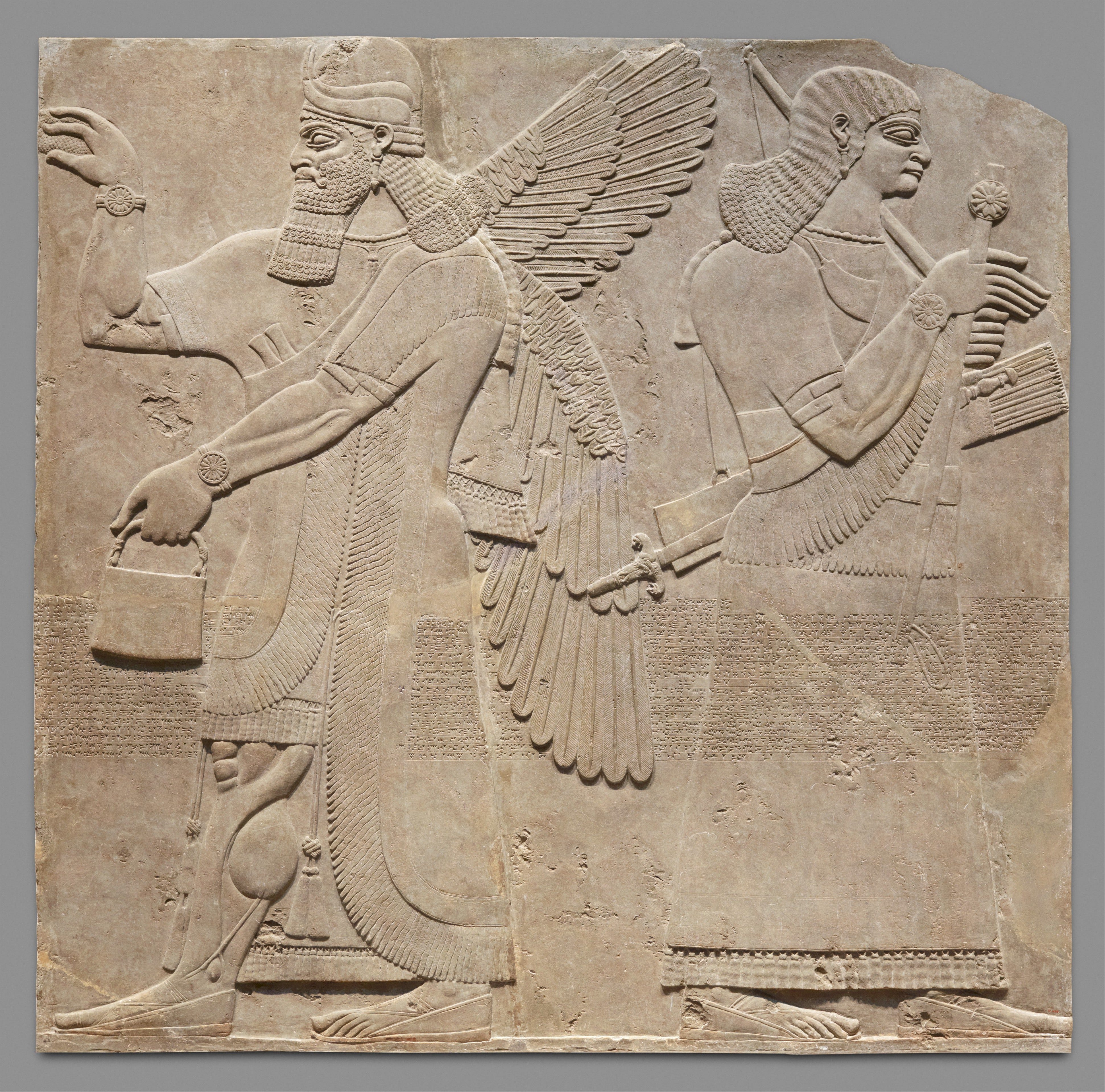
The biblical authors lived within the cultures of the ancient Near East, the Second Temple Jewish period, and the Greco-Roman world. Their audiences were familiar with stories, symbols, and assumptions that may sound strange to us.
Terms such as elohim, ha satan, “the sons of God,” “the divine council,” “unclean spirits,” “principalities and powers,” and “the rulers of this age” belonged to ancient conversations about God, creation, rebellion, worship, the nations, and the spiritual realm. Original audiences may have recognized associations that modern readers miss entirely.
Historical context can help us close some of that distance.
Ancient literature, archaeology, comparative mythology, linguistic study, and biblical scholarship can help illuminate difficult passages. They may reveal how the biblical writers used familiar images from the surrounding cultures while correcting, reshaping, or challenging the beliefs associated with them.
But even context must remain under the authority of Scripture.
Ancient myths don’t determine the meaning of the biblical text. Archaeological discoveries don’t become a second Bible. Scholars provide valuable insight, but no scholar is infallible. Outside sources are useful insofar as they help us understand what the biblical authors were communicating.
This is where humility becomes necessary.
Some interpretations are firmly grounded in explicit biblical teaching. Others depend upon inference. Occasionally, the evidence allows us to say only that one interpretation seems more likely than another.
That can be frustrating. Trust me. I know. We prefer certainty, especially when discussing mysterious subjects. But mystery is not permission to fill the gaps with whatever explanation captures our imagination.
I’m still learning how to weigh the evidence in many of these discussions. Some positions I hold with confidence. Others I would describe as provisional. There are also questions for which my most honest answer remains, “I do not know.”
Darkness Is Not the Center of the Story
Because Entangled Kingdoms discusses topics like Satan, demons, giants, rebellious spiritual beings, and hostile powers, someone could easily assume that the podcast is primarily about darkness.
It is not.
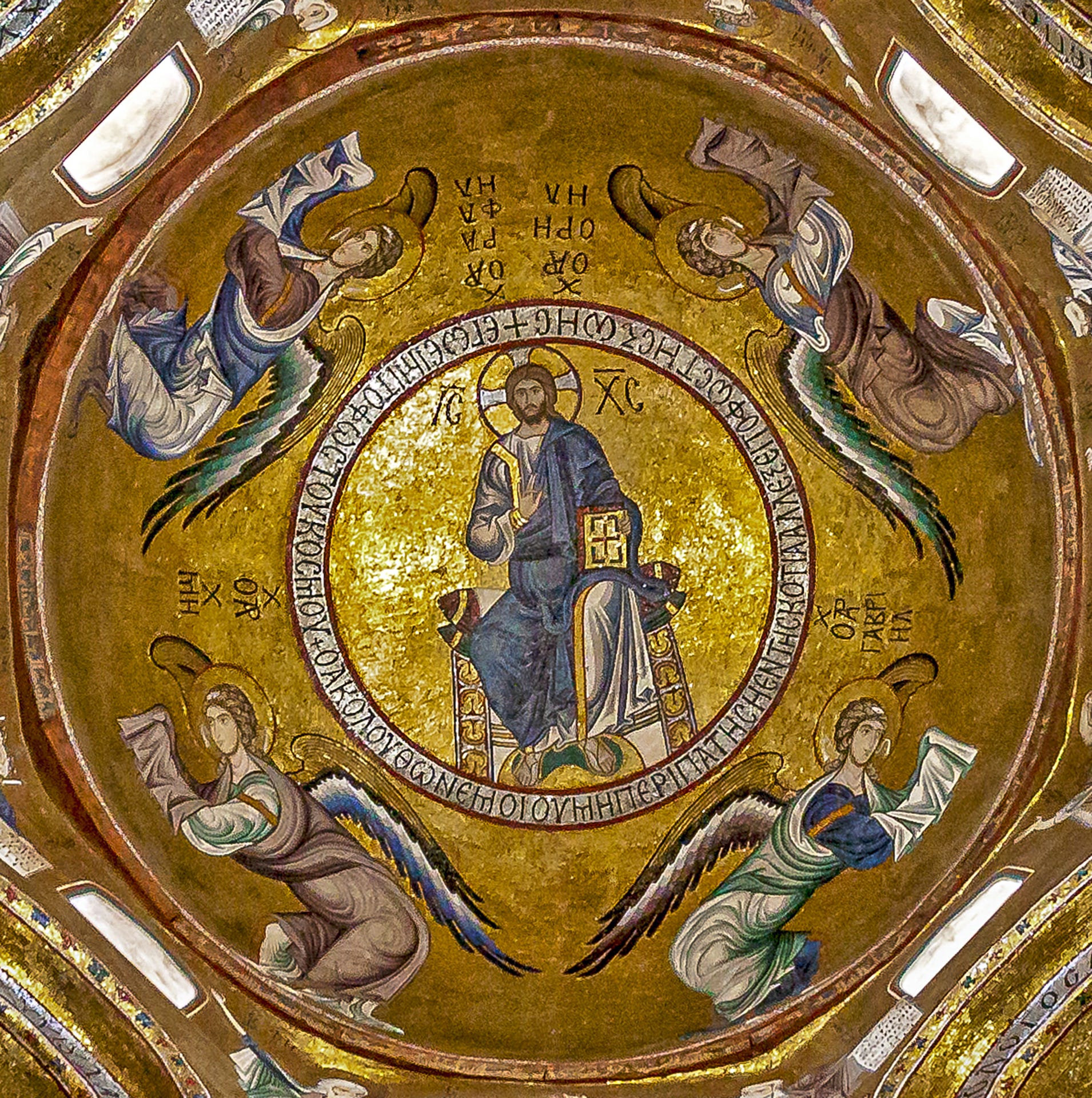
The center is King Jesus.
We study the powers of darkness because Scripture tells us that Christ has triumphed over them. Their schemes matter because believers have been delivered from the domain of darkness and brought into the kingdom of God’s beloved Son. Their rebellion can only be understood properly when placed beneath the supremacy of Christ.
Paul writes that all things were created through the Son and for him, “in heaven and on earth, visible and invisible,” including thrones, dominions, rulers, and authorities. No spiritual being exists independently of Jesus. Even those powers that rebel against God owe their existence to the One they oppose.
The ministry of Jesus unfolds within that cosmic setting.
He announced the arrival of God’s kingdom, healed the sick, forgave sins, cast out demons, and liberated people held in bondage. These works weren’t random displays of supernatural power. They revealed the presence and authority of the rightful King.
“Fairy tales give the child his first clear idea of the possible defeat of bogey.” — G. K. Chesterton, “The Red Angel,” Tremendous Trifles
At the cross, darkness appeared to have won. Human violence, political injustice, betrayal, and satanic opposition converged against the Messiah. Yet Paul describes the cross as the very means by which God disarmed the rulers and authorities and exposed their defeat.
Tolkien called the Resurrection “the eucatastrophe of the story of the Incarnation”—the sudden, joyous turn in which apparent defeat gives way to victory.
Christians now live between that decisive victory and its final manifestation. Christ reigns, though rebellion continues. Satan has been judged, though he still prowls. The kingdom has arrived, but we continue to pray for the day when it will come in fullness.
This tension is part of what makes our present experience feel so entangled. We see the fruit of redemption alongside the ongoing effects of rebellion. We confess that Jesus is Lord while living in a world where many powers - both earthly and spiritual - still resist his rule.
The Church must learn to inhabit that tension without losing hope.
The Armor God Provides
My interest in spiritual warfare began long before I encountered Heiser’s work.
Ephesians 6 was the text of the first “sermon” I ever taught as a high school student. I don’t remember every detail of that sermon—and I suspect I would revise quite a bit of it now—but the passage itself has never left me.
Paul tells believers to “be strengthened in the Lord and in the strength of his might.” The armor doesn’t originate with us. God himself supplies what his people need in order to stand.
That point continues to impress itself upon me.
Christians aren’t sent into spiritual conflict with nothing more than determination or religious enthusiasm. God gives truth, righteousness, the gospel of peace, faith, salvation, his word, and prayer. These aren’t mysterious techniques known only to a small group of specialists. They belong to the ordinary life of every believer.
The language of armor is dramatic, but the practices it describes are woven into daily discipleship.
“For in truth the disciples of Christ, instead of fighting each other, stand arrayed against demons by their habits and virtuous actions.” — Athanasius of Alexandria, On the Incarnation, §52
Spiritual warfare occurs when a Christian refuses to believe a lie. It’s present when someone forgives rather than giving bitterness room to grow. A church engages in spiritual conflict when it pursues unity and resists accusation, suspicion, and pride. A suffering believer stands firm when he continues to trust the goodness of God, even while asking painful questions.
Prayer matters. Holiness matters. Proclaiming the gospel matters. So do patience, courage, forgiveness, and truthfulness.
None of these things appear spectacular. That does not make them less spiritual.
The first sermon I ever preached was about putting on the armor of God. Years later, I remain convinced that every Christian is called to live alert, equipped by God, and pressing forward in faith. Studying the unseen realm should strengthen that kind of life. If our study only makes us more interested in demons, then we’ve missed the point.
A Guide, Not a Guru
I don’t host Entangled Kingdoms because I possess all the answers.
These subjects can seem strange to me too.
There are passages that continue to puzzle me, historical questions I am still working through, and interpretations I’ve had to reconsider. Studying the supernatural world of Scripture has often involved returning to familiar texts and realizing that I had overlooked important details or carried assumptions into the passage without recognizing them.
I am on this journey with you, the listener.
My role is not that of a guru revealing secret knowledge. I hope to serve as a guide: to examine the text carefully, introduce helpful historical context, explain where interpretations differ, and acknowledge when the available evidence does not permit certainty.
This means inherited interpretations may need to be reexamined, but novelty should not be celebrated for its own sake. An interpretation is not superior simply because it feels more supernatural, more ancient, or more surprising. It must account for the language of the passage, its historical setting, its literary context, and the larger witness of Scripture.
Faithful Christians will sometimes reach different conclusions. That shouldn’t surprise us, and it shouldn’t prevent us from learning together.
What matters is that we approach the subject with reverence, curiosity, and a willingness to be corrected.
Recovering a Biblical Imagination
Entangled Kingdoms is about more than the identities and activities of supernatural beings. It is an attempt to recover a biblical imagination.
The story of Scripture encompasses heaven and earth, visible and invisible creation, human rebellion and spiritual rebellion, covenant and kingdom, cross and resurrection, judgment and new creation. It reminds us that worship forms allegiance and that human life participates in a reality larger than what our eyes can see.
Recovering that vision changes how we read the Bible. It should also change how we live. The gospel itself is described in these terms. Christ sends Paul to open eyes so that people might turn “from darkness to light and from the power of Satan to God” (Acts 26:18). So recovering the supernatural backdrop of Scripture should therefore clarify the Church’s mission, not distract us from it.
Christians shouldn’t fear that hidden powers are waiting behind every ordinary inconvenience. Neither should we move through the world unaware of spiritual opposition. We belong to Jesus Christ, and our citizenship in his kingdom should become visible in our loyalties, our worship, our relationships, and our daily obedience.
My hope is that Entangled Kingdoms will encourage listeners to read Scripture more carefully and approach difficult questions with humility. I want the podcast to help Christians recognize the supernatural dimensions of the biblical story without drifting into sensationalism. Above all, I want it to direct attention toward the supremacy, sufficiency, and victory of Christ.
I’m still learning. I expect there will be episodes in which I revise earlier conclusions, discover that I overlooked important evidence, or simply admit that I can’t answer a particular question.
That’s part of the journey.
…
There is one reality.
Within that reality are two realms: the seen and the unseen.
Across them, kingdoms contend, loyalties are tested, and deception must be discerned.
At the center of it all stands Jesus Christ—the crucified, risen, ascended, and reigning King.
So we open the Scriptures, take up the armor God has provided, and untangle the Entangled Kingdoms together.